Guide · YouTube Partner Program
YouTube monetization requirements: how to get monetized, and what changes in 2027
To earn a share of ad revenue on YouTube today, a channel needs 1,000 subscribers and one of two things: 4,000 public watch hours in the last 12 months, or 10 million public Shorts views in the last 90 days.1 For new creators, the hours and the Shorts views double on February 1, 2027.3
Updated Oct 5, 2026
What is said: Step one, download your dubbed video. Step two, add its audio as a new language track on YouTube. That's it.
What is said: Paso uno: descarga tu video doblado. Paso dos: añade su audio como una nueva pista de idioma en YouTube. Eso es todo.
What is said: Passo um: baixe seu vídeo dublado. Passo dois: adicione seu áudio como uma nova faixa de idioma no YouTube. É isso.
Demo clip: an AI-generated scene with a fictional character. Dubbed with VDub v2, the model DubSync runs; lip-synced tracks use VSync v2.
Lip-sync shown in these examples is an optional paid add-on, separate from the dubbing trial.
YouTube monetization requirements today
The YouTube Partner Program has two levels. The first lets viewers pay you directly. The second is what most people mean by getting monetized: a share of the money from ads on your videos.
Level 1: fan funding
- 500 subscribers
- 3 public uploads in the last 90 days
- 3,000 watch hours in the last 12 months
- or 3 million Shorts views in the last 90 days
Opens channel memberships, Super Chat, Super Stickers, Super Thanks and Shopping features. It doesn't include a share of ad revenue, and its list of countries and regions is shorter than the main program's, so check both.25
Make money on YouTubeLevel 2: ad revenue
- 1,000 subscribers
- 4,000 watch hours in the last 12 months
- or 10 million Shorts views in the last 90 days
Adds revenue sharing from ads and from YouTube Premium.2 You need one of the two routes, long videos or Shorts, not both.1
How much YouTube pays
YouTube counts only qualified watch hours and qualified Shorts views, and its eligibility page lists what is left out.1
Counts
- Watch time on your public long-form videos.
- Views of your public Shorts in the Shorts feed.
Doesn't count
- Private, unlisted and deleted videos or Shorts.
- Watch time and views that come from ad campaigns.
- Shorts, for the 4,000 hours.
- Livestreams that are unlisted, deleted or not kept as a video afterward.
- Image posts shown in the Shorts feed.
Both windows look back from today, so old hours and views drop out as new ones come in.
The numbers have to be real. The monetization policies forbid artificially inflating views, subscribers, likes or watch time, and a channel that does it can be removed from the program or terminated.4
The rest of the checklist
Reaching the numbers is one requirement out of several. The same page lists the others.1
- The channel follows the channel monetization policies, covered below.
- You live in a country or region where the program is available.
- The channel has no active Community Guidelines strikes. If it has one, you can apply once the strike expires or is removed on appeal.
- 2-Step Verification is turned on for your Google Account.
- The channel has access to advanced features: phone verification plus either enough channel history or an ID or video check.6
- One active AdSense for YouTube account is linked to the channel, or you create one from inside YouTube Studio while applying.
How to get monetized on YouTube: the application
You apply in YouTube Studio. These are the steps on YouTube's eligibility page.1
Open Earn in YouTube Studio
Sign in, open YouTube Studio and choose Earn in the left menu. If the channel isn't eligible yet, select Get notified and YouTube emails you when it reaches a threshold.
Accept the base terms
Select Apply now, then review and accept the Base terms.
Connect AdSense for YouTube
Set up a new AdSense for YouTube account or link the active one you already have.
Wait for the review
The channel goes into a queue. A decision typically comes in about a month, and YouTube warns that delays happen. Dropping under a threshold while you wait doesn't matter. Making videos private or deleting them can affect the application.
Turn on what you want
Once you are approved, you accept the terms for each feature and switch it on in Studio: Watch Page ads, Shorts feed ads, memberships, Supers and more.
If the answer is no, a first-time applicant can appeal within 21 days, or keep uploading original videos and apply again after 30 days. When it wasn't the first application, the wait is 90 days.1
What the review looks at
Automated systems and human reviewers look at the channel as a whole.1 They can't watch every video, so YouTube says they may focus on six things.4 Read your own channel the same way before you apply.
Main theme
A stranger should be able to tell what the channel is about.
Most viewed videos
They stand for the channel, so they should clearly be your own work.
Newest videos
They show what the channel does now. Don't apply in the middle of an experiment.
Biggest share of watch time
Whatever viewers spend the most hours on is judged, even a side project.
Titles, thumbnails, descriptions
They should describe the video the viewer actually gets.
The About section
Say who makes the channel and how. For a translated version of another channel of yours, name and link the original.
The six headings are YouTube's. The advice under them is ours. YouTube calls them examples and says reviewers may check other parts of the channel.4
YouTube monetization rules: reused, repetitive and AI content
The channel monetization policies apply to anyone in the program or applying to it, and they expect content to be your original creation.4 Four rules matter most for a channel that reuses footage, works from templates or uses AI.
Reused content
This is material already on YouTube or elsewhere online that a channel republishes without significant commentary of its own, substantive changes, or educational or entertainment value.4
Generic or repetitive content
These are videos that look made from a template, or that feel repetitive when a viewer watches several in a row from the same channel. You may know the rule as inauthentic content: a July 15, 2025 notice on the page gave the older repetitious content rule that name and said it covers mass-produced videos. The section itself is now headed generic or repetitive content.4
Unsatisfying or off-putting content
These are videos that lean on emotionally manipulative formulas, copy existing formats until they feel interchangeable, or exist to shock for views. Automated tools and templates are fine when the result still shows your own creative vision and has educational or entertainment value.4
AI personas on sensitive topics
A channel where an AI-generated persona presents itself as a human expert and gives advice on health, legal issues, finances or politics is not allowed to monetize.4
Can be monetized
- A critical review that uses clips.
- A reaction video where you comment on the original.
- Other creators' footage that you edit into a storyline with your own commentary.
- A series with the same intro and outro, or the same characters, where each episode has its own story or focus.
- AI used to visualize a character and a story you invented.
Not monetized
- Moments from a show cut together with little or no narrative.
- Videos collected or copied from other platforms without substantive changes.
- Readings of text you didn't write, such as websites or news feeds, and nothing else.
- Slideshows, templated storylines or scrolling text with little narrative or commentary.
- AI-generated videos built from generic, unoriginal templates, or unrelated AI clips stitched together to shock.
The examples are YouTube's, retold in our words. YouTube adds that copyright and its other policies still apply to the allowed ones, so passing this rule is not permission to use someone else's footage.4
What changes on February 1, 2027
YouTube has already published the next version of the program in its Help Center. The entry numbers change for new creators. Channels already in the program keep their status.3
| Today | New creators from Feb 1, 2027 | |
|---|---|---|
| Subscribers | 1,000 | 1,000 |
| Watch hours | 4,000 in the last 12 months | 8,000 in the last 365 days |
| Or Shorts views | 10 million in the last 90 days | 20 million in the last 90 days |
| Fan funding level | 500 subscribers, with 3,000 hours or 3 million Shorts views | No change |
- Channels in the program have to accept the updated terms in YouTube Studio by January 31, 2027. Without that, earnings from the features those terms cover stop on February 1 until you accept. The channel itself stays in the program.3
- From the same date, a channel counts as active with 1,000 qualified watch hours in the past 365 days, or 1 million qualified Shorts views in the last 90 days, or 2 long-form videos or 5 Shorts uploaded every 90 days. A channel that drops below gets a 90-day window to reach the watch-hour or Shorts-view figure and stay in.3
- To earn from the Shorts Creator Pool in a given month, a channel has to keep 10 million qualified Shorts views over the last 90 days. Missing that doesn't remove it from the program or touch its long-form earnings.3
- The same update expands Premium Lite and adds Shorts incentive programs. Neither is an entry requirement.3
Where dubbed videos fit, and where they don't
A dub can reach new viewers. It doesn't lower the bar.
The eligibility page defines qualified watch hours by the kind of video and whether it is public. It says nothing about the language of the audio.1
What a second language can change is who finds the video. YouTube reports that, for creators who added multi-language audio tracks, more than 25% of watch time came from views in a language other than the video's primary one.7 That figure describes creators who used the feature. It is not a forecast for your channel.
Switch the language under the clip to hear a dub of an English video. The streamer is fictional and AI-generated.
What is said: Same gameplay, same energy. My walkthroughs now speak Spanish and Portuguese too.
What is said: Mismo juego, misma energía. Mis guías ahora hablan español y portugués también.
What is said: Mesmo gameplay, mesma energia. Meus guias agora falam espanhol e português também.
Demo clip: an AI-generated scene with a fictional character. Dubbed with VDub v2, the model DubSync runs; lip-synced tracks use VSync v2.
Lip-sync shown in these examples is an optional paid add-on, separate from the dubbing trial.
- An audio track sits on the same video, so there is still one channel to qualify. Adding tracks needs access to advanced features, and YouTube takes an audio-only file for each track,7 so you export the audio from the dubbed MP4 in an editor first. Our multi-language audio guide shows the steps.
- A separate language channel is reviewed as a channel of its own,1 so it needs its own subscribers, hours and application. YouTube's 2027 page doesn't say how a partner's second channel is treated, so plan for the higher numbers if it applies after February 1.3 We compare the two setups in one channel or two.
- YouTube's monetization policies don't mention translations or dubs of your own videos. They do say monetization can be removed when a reviewer can't clearly tell that you made the content.4 We go through the cases in can you monetize dubbed videos.
- Cloning your own voice for a dub is on YouTube's list of uses that need no AI disclosure. Realistic AI-generated content and meaningful AI changes do need it, and consistently skipping a required disclosure can lead to suspension from the program.8 If other people speak in the video, get their consent first.
DubSync's part ends with the dubbed file. You upload a finished video (MP4, MOV or M4V, up to 150 minutes and 1 GB), choose one of 28 languages, see the minutes and the cost, and download an MP4 with a voice created from each speaker and your background audio kept. It is paid per input minute. It doesn't upload to YouTube, and it has no effect on whether a channel is accepted.
After you join: what monetized means in practice
- Ads are not automatic on every video. Each upload is still measured against the advertiser-friendly content guidelines, which cover the video, the thumbnail, the title, the description and the tags.9
- Partners receive 55% of the net revenue from ads on their long-form watch pages10 and keep 45% of the Shorts revenue allocated to them.11 A share is not an amount: YouTube states that the partner agreement carries no guarantee about how much, or whether, you are paid.10
- What those ads are worth depends on the viewer. YouTube notes that CPM, the amount advertisers spend per 1,000 ad impressions, varies by geography.12 It is not what a creator receives. Compare ad rates by country or try your own views in the calculator.
- Payment has its own paperwork. Every monetizing creator has to submit U.S. tax info in AdSense for YouTube, wherever they live, and Google withholds U.S. tax on earnings from viewers in the United States.10
- Keep publishing. Today YouTube may turn monetization off on a channel with no upload and no post for 6 months or more,1 and from February 1, 2027 the activity rule above puts numbers on it.3
Questions before you start
How many subscribers do you need to get monetized on YouTube?
For a share of ad revenue, 1,000, together with either 4,000 public watch hours in the last 12 months or 10 million public Shorts views in the last 90 days.1 Fan funding opens at 500 subscribers, if the channel also has 3 public uploads in the last 90 days and either 3,000 watch hours in the last 12 months or 3 million Shorts views in the last 90 days.2
Do Shorts count toward the 4,000 watch hours?
How long does it take to get monetized after you apply?
YouTube says a decision typically comes in about a month and that delays are possible. If a first application is turned down, you can appeal within 21 days or apply again after 30 days.1
There are ads on my videos, but I'm not in the program. Do I earn from them?
No. YouTube's terms let it show ads on any video on the platform. Until the channel meets the higher thresholds and is accepted, you are not eligible for a share of that revenue.1
My channel is already monetized. Do I need 8,000 hours in 2027?
No. YouTube says the status of channels already in the program is not affected by the new entry thresholds. To keep earning from every feature, accept the updated terms in YouTube Studio by January 31, 2027. The new activity requirements apply to your channel from February 1.3
Can a channel that uses AI voices or AI dubbing be monetized?
AI by itself is not the test. The policies rule out mass-produced or repetitive content, with AI-generated videos built from generic templates as one example, and channels where an AI persona poses as a human expert on health, legal, financial or political topics.4 For a dub of your own video, YouTube lists cloning your own voice for voice-overs or dubs among the uses that need no disclosure, and says disclosing AI content doesn't affect a video's eligibility to earn.8
Can YouTube turn monetization off after I am accepted?
Yes. YouTube says it keeps checking channels in the program. Today it may turn monetization off on a channel that hasn't uploaded a video or posted to the Posts tab for 6 months or more, and a channel that breaks the monetization policies loses monetization whatever its hours and subscribers.1 From February 1, 2027 there are also activity requirements with exact numbers.3
Sources
- YouTube Help. YouTube Partner Program overview & eligibility (help article 72851). Accessed Oct 5, 2026.
- YouTube Help. Overview of the expanded YouTube Partner Program (help article 13429240). Accessed Oct 5, 2026.
- YouTube Help. Changes to the YouTube Partner Program (help article 12843009). Accessed Oct 5, 2026.
- YouTube Help. YouTube channel monetization policies (help article 1311392). Accessed Oct 5, 2026.
- YouTube Help. YouTube Partner Program availability (help article 7101720). Accessed Oct 5, 2026.
- YouTube Help. Get access to intermediate and advanced features (help article 9891124). Accessed Oct 5, 2026.
- YouTube Help. Add Multi-language features to your videos (help article 13338784). Accessed Oct 5, 2026.
- YouTube Help. Disclosing use of GenAI content. Accessed Oct 5, 2026.
- YouTube Help. Advertiser-friendly content guidelines (help article 6162278). Accessed Oct 5, 2026.
- YouTube Help. YouTube partner earnings overview. Accessed Oct 5, 2026.
- YouTube Help. YouTube Shorts monetization policies. Accessed Oct 5, 2026.
- YouTube Help. Understand ad revenue analytics (help article 9314357). Accessed Oct 5, 2026.
Keep exploring
Related pages
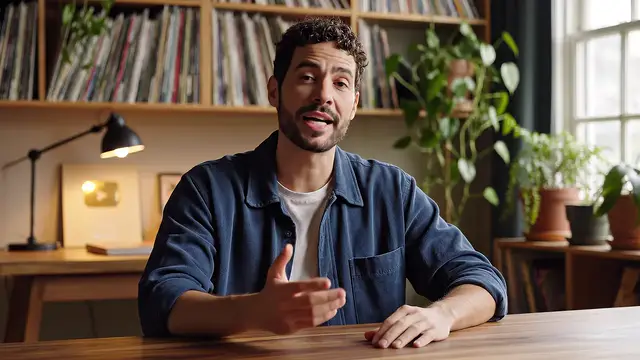 EarningMake money on YouTubeThe main ways a YouTube channel earns, what each requires and why the viewer's country matters.
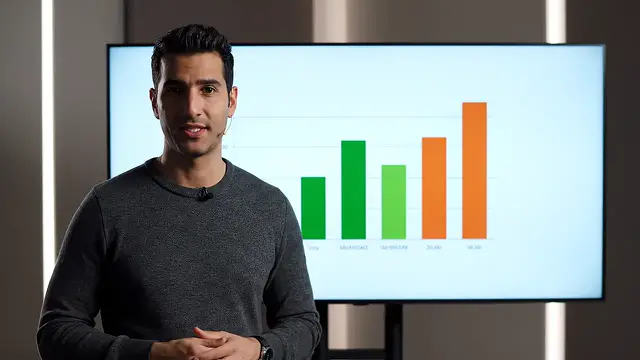 EarningHow much YouTube paysWhat YouTube pays per view, per 1,000 and per 1 million views, by viewer country, with sourced ranges.
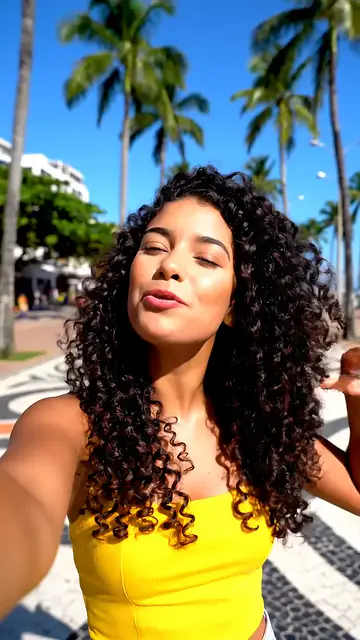 EarningYouTube Shorts monetizationRequirements, how the Shorts ad pool is split by country, pay per 1,000 views and what changes in 2027.
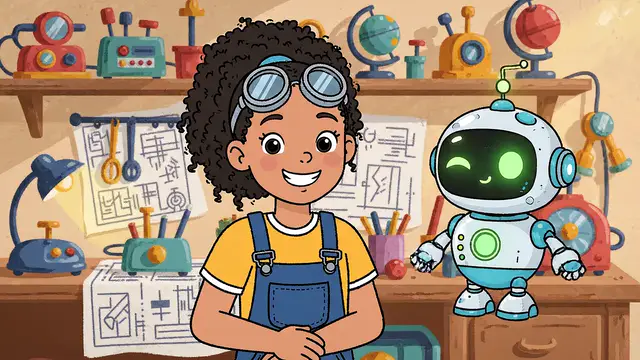 EarningCan you monetize dubbed videos?What you may dub and monetize, and where YouTube's reused content and AI label rules draw the line.
 GuideMulti-language audio guideAdd an English audio track, or choose a separate channel.
- CalculatorYouTube money calculatorIllustrative ranges for your views, by country and format.
When the channel is ready for a second language
Dub one of your own videos and listen to the result.
Upload it, see the minutes and the cost, then decide.
Upload my videoOnly upload videos you have the rights to, with every speaker's permission.