Earning guide · Brand deals
YouTube sponsorships: how to get one and how much sponsors pay
A YouTube sponsorship is a brand paying to be part of your video. Getting one takes three things: proof of who watches and where, a concrete offer, and a price you can explain. There is no official rate card, so this guide shows how to work out your own price, how to disclose a deal, and what to check before a sponsored video is dubbed into another language.
Updated Oct 5, 2026
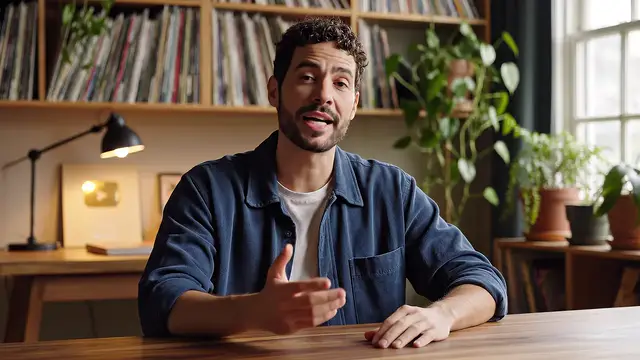
What is said: I filmed this ad once. Now the same ad speaks Spanish, Portuguese, and more without a reshoot.
What is said: Filmaba este anuncio una vez. Ahora el mismo anuncio habla español, portugués y más sin volver a grabar.
What is said: Eu filmei este anúncio uma vez. Agora, o mesmo anúncio fala espanhol, português e mais, sem refilmagem.
Demo clip: an AI-generated scene with a fictional character. Dubbed with VDub v2, the model DubSync runs; lip-synced tracks use VSync v2.
Lip-sync shown in these examples is an optional paid add-on, separate from the dubbing trial.
What a YouTube sponsor is buying
A sponsor doesn't pay for your subscriber count. It pays to reach specific people, in a place where it can sell to them, through someone they trust.
The right viewers
A small, loyal cooking audience can be worth more to a knife maker than a large general one.
In the right country
A brand that ships only to the US and Canada pays for viewers there, not elsewhere.
Views it can count on
What a typical recent video gets, not your best one and not your subscriber total.
Your word
Viewers act on a recommendation because they trust you. Honest disclosure protects that.
Advertisers already price by country
Sponsorship fees are negotiated in private, and we found no reliable public table of them by country. Ad rates show the pattern. For videos uploaded in 2024, advertisers paid a median of $11.95 per 1,000 YouTube ad impressions in the United States and $0.96 in India.10
These are ad rates: what advertisers pay YouTube, not what a sponsor pays you and not what a creator earns.
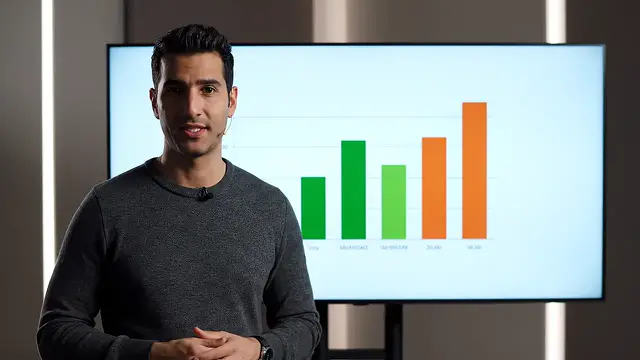
What is said: Advertisers pay different rates in different countries. Same video, same views, but a very different market.
What is said: Los anunciantes pagan tarifas diferentes en distintos países. Mismo video, mismas vistas, pero un mercado muy diferente.
What is said: Os anunciantes pagam taxas diferentes em países diferentes. Mesmo vídeo, mesmas visualizações, mas um mercado muito diferente.
Demo clip: an AI-generated scene with a fictional character. Dubbed with VDub v2, the model DubSync runs; lip-synced tracks use VSync v2.
Lip-sync shown in these examples is an optional paid add-on, separate from the dubbing trial.
Source: IsThisChannelMonetized via Digital Information World, Aug 2025.10
The full table is on the ad rates by country page.
Build a media kit from your own data
A media kit is one or two pages a brand can read in two minutes. Fill it with numbers from your analytics, not adjectives.
- Who you are and what the channel covers, in two sentences.
- Your audience: top countries, age ranges and gender.
- Typical views per video or Short over the last 90 days.
- Past brand work and its results, where the brand lets you share them.
- What you offer and on what terms: formats, usage rights, exclusivity, and the languages and countries the price covers.
How to get a YouTube sponsorship
You can approach brands yourself or be found through YouTube Creator Partnerships, the brand-deal tool in YouTube Studio.5 The direct route is open to a channel of any size.
Pick brands that fit
List products you already use and companies that sponsor channels like yours. Check that each one sells where your viewers are.
Make yourself easy to reach
Keep your business contact email and social handle up to date: in some regions they are the only way a brand that finds you through YouTube Creator Partnerships can contact you. To be visible in its creator search you must be 18 or older, in the Partner Program and eligible for ad revenue sharing, free of active Community Guidelines strikes, and based in an available country or region, such as the United States, the United Kingdom, India, Brazil or Mexico.6
Send a short pitch
Five sentences: who you are, who watches and where, one concrete idea for their product, what a typical video gets, and a link to your media kit. Follow up once.
Put the deal in writing
Before you film, agree on deliverables, dates, approval rounds, payment terms, usage rights, exclusivity, and the languages and countries the video may appear in.
Agencies and creator networks can bring deals too. Before you sign with one, ask what share they keep and for how long.
How much do YouTube sponsors pay?
There is no official figure. YouTube's page for creators says you customize your rates.5 Rate tables online rarely say where their numbers come from, so this page doesn't repeat them. Deals are paid in four ways, often combined.
Flat fee
- Fixed price
One price for an agreed deliverable, such as a 60-second integration, whether the video underperforms or takes off.
Price per 1,000 views
- Based on expected views
A negotiated rate multiplied by the views expected in an agreed window, such as the first 30 days.
Commission
- Paid on sales
You are paid per sale or sign-up through your link or code, and nothing if viewers don't buy.
Product only
- No fee
- Still needs disclosure
The brand sends the product and nothing else. YouTube still counts it as branded content you have to declare.2
The same things move the price in every model.
- Your typical views, for long videos and Shorts separately, and the countries they come from.
- Format: a short mention, an integration, or a whole video about the product.
- Usage rights: price it separately if the brand wants to run your video as its own ad. On YouTube, accepting a brand's request for access to a video is up to you. If you accept, the advertiser can see the video's performance in Google Ads and use it in advertising.6
- Exclusivity and extra versions: staying away from competitors, another language and another platform each get their own line in the quote.
Disclose every sponsorship
Besides the label, declaring a paid promotion has three effects.2
- Ads still run, but YouTube may try not to show one that competes with your sponsor.
- The video is removed from the YouTube Kids app.
- You get the option to set a minimum viewer age and to limit the countries where the video is shown.
The label is the minimum. YouTube says you stay responsible for a clear and prominent disclosure and for the law that applies to you, and points to regulators such as the FTC in the United States, the ASA in the United Kingdom and the ACCC in Australia.2 The FTC's guidance for influencers spells out what works.34
A disclosure that works
- Said in the video itself, with the sponsored part or before it.
- Plain words such as "ad", "sponsored" or "thanks to the brand for the free product".
- Both spoken and on screen, because some people watch without sound.
- In the language the video is spoken in.
Not enough on its own
- A line in the description only.
- The platform's label alone. The FTC says not to assume a platform's tool is good enough.
- Vague terms such as "sp", "spon" or "collab".
- A mention only at the end of the video.
Posting from outside the United States doesn't exempt you. The FTC says US law applies when it is reasonably foreseeable that a post will affect US consumers, and that foreign laws might apply as well.3 This is general information, not legal advice.
Before you dub a sponsored video
A sponsorship is usually agreed for one video and one audience. A new language carries the sponsor's message into a market the deal may not cover, with an offer that may not exist there. Check four things first.
One read, several markets
- The contract. Does it allow other languages, countries and platforms? If it says nothing, ask the brand in writing. The same goes for a script, footage or music the brand supplied.
- The market. Does the brand sell there? A promo code or price that only works at home misleads viewers elsewhere.
- The category. YouTube says regional requirements for branded content vary widely, and for restricted categories such as alcohol or gambling it makes you responsible for using age and country restrictions.2
- The disclosure. The FTC says to disclose in whatever language the endorsement is made.4 The paid promotion setting is part of each video's details,1 so a dubbed copy uploaded as a separate video needs it too.
What is said: One film, one voice, ready for every market where your coffee is sold.
What is said: Una película, una voz, lista para cada mercado donde se vende tu café.
Demo clip: an AI-generated scene with a fictional character. Dubbed with VDub v2, the model DubSync runs; lip-synced tracks use VSync v2.
That leaves three ways to handle a sponsored video.
Leave it in one language
Dub your other videos and skip this one. If the brand wants its read in one language only, unpublish or delete YouTube's automatic dub of it too.
Cut the sponsor segment
In your own editor, export the video without the sponsor segment and upload that file. DubSync bills by the length of the upload, so the shorter file uses fewer minutes.
Dub it with the brand's approval
Offer the extra language as a paid deliverable. DubSync has no script editing, so the read is translated automatically, promo code included. Have a speaker of the language check it before the brand does, and get consent from anyone at the brand who speaks in the video.
DubSync takes a video file of up to 150 minutes and 1 GB and returns a dubbed MP4 with a voice created from each speaker, the background audio kept and no visible watermark. Each language is a separate dub and uses minutes again.
Where a second language fits in your pitch
Dubbing doesn't bring a sponsor by itself. It can build an audience you can measure in another language, and a measured audience is what a media kit is made of.
YouTube reports that for creators who added multi-language audio tracks, more than 25% of watch time came from views in a language other than the video's primary one.11 That is YouTube's figure for those creators, not a forecast for your channel.
- Start with your strongest videos that have no sponsor in them.
- Publish them as audio tracks or on a channel for that language. Our guide to a channel in several languages compares the two.
- Measure them. YouTube Analytics breaks views and watch time down by audio language.11 Add the new audience to your media kit when the numbers are there.
English also reaches viewers in countries where advertisers pay less, so read the country report, not only the language.
Plans from $4.90/month. You see the minutes and the cost before anything starts. See pricing
Questions before you start
How many subscribers do I need to get a YouTube sponsorship?
There is no minimum for a deal you arrange yourself. A brand decides from your audience and your typical views. YouTube's own tool is narrower: to be visible in the creator search advertisers use, a channel must be in the Partner Program and eligible for ad revenue sharing, in a country or region where the tool is available.6
How much do YouTube sponsors pay per 1,000 views?
There is no official figure. YouTube's page for creators says you customize your rates,5 so the price is negotiated deal by deal. Work yours out from your typical views, the format, usage rights and exclusivity, then check it against every deal you close.
Do I have to disclose a free product?
Can a sponsored video still earn ad revenue?
It can. YouTube says a channel in the Partner Program may be eligible for ad revenue from a video with branded content when the video follows the advertiser-friendly guidelines. Ads still run on it, but YouTube may try not to show one that competes with your sponsor.2
Can I dub a sponsored video into another language?
Only when the deal covers it. Ask the brand in writing, check that the offer is valid in the new market and disclose the sponsorship in the new language. If you can't get approval, cut the sponsor segment from the version you dub.
Do I need to label an AI-dubbed sponsored video?
Those are two separate labels. YouTube's examples exempt cloning your own voice for a dub from its altered-content label, while realistic changes that could mislead viewers still need disclosure.13 The paid promotion setting is a different requirement, and it applies to a sponsored video in any language.1
Does DubSync find sponsors or post my videos?
No. DubSync turns a video file into a dubbed MP4 in another language. It doesn't find sponsors, write contracts or publish to any platform, and there is no script editing.
Sources
- YouTube Help. Add branded content restrictions & disclosure labels (help article 154235). Accessed Oct 5, 2026.
- YouTube Help. YouTube Branded Content Policies (help article 17596007). Accessed Oct 5, 2026.
- US Federal Trade Commission. Disclosures 101 for Social Media Influencers (brochure, November 2019). Accessed Oct 5, 2026.
- US Federal Trade Commission. FTC's Endorsement Guides: What People Are Asking. Accessed Oct 5, 2026.
- YouTube for Creators. YouTube Creator Partnerships: Land Brand Deals. Accessed Oct 5, 2026.
- YouTube Help. Get started with YouTube Creator Partnerships (help article 9385307). Accessed Oct 5, 2026.
- YouTube Help. How to use Media Kit (help article 11322980). Accessed Oct 5, 2026.
- YouTube Help. Manage channel insights sharing with third-party advertisers, brands, and platforms (help article 16261569). Accessed Oct 5, 2026.
- Google Threat Analysis Group. Phishing campaign targets YouTube creators with cookie theft malware. Published Oct 20, 2021; accessed Oct 5, 2026.
- Digital Information World (data compiled by IsThisChannelMonetized). YouTube CPM Rates in 2025: How Location Shapes Earnings. Published Aug 11, 2025; accessed Oct 3, 2026.
- YouTube Help. Add Multi-language features to your videos (help article 13338784). Accessed Oct 3, 2026.
- YouTube Help. Use automatic dubbing (help article 15569972). Accessed Oct 3, 2026.
- YouTube Help. Disclosing use of GenAI content. Accessed Oct 4, 2026.
Keep exploring
Related pages
 EarningMake money on YouTubeThe main ways a YouTube channel earns, what each requires and why the viewer's country matters.
 Use caseVideo ad localizationDub a proven ad or UGC clip for a new market, and see what a dub leaves for you to localize.
 EarningMulti-language YouTube channelAudio tracks or a second channel per language: what YouTube says, real cases and a checklist.
 EarningHow much YouTube paysWhat YouTube pays per view, per 1,000 and per 1 million views, by viewer country, with sourced ranges.
- LessonTargeting a US audienceWhat decides which country watches your videos, what an English version changes, and how to check it.
- SectionWays to earn with translated videoTwelve legitimate ways a video earns, the rule behind each, and what a second language changes.
Start with a video that has no sponsor
Give your best video a second language and measure who watches.
Upload it, see the minutes, then decide.
Upload my videoOnly upload videos you have the rights to, with every speaker's permission.