Long videos
100,000 views a month, mostly from Mexico
- Viewers in Mexico
- $30–55 a month
- Same views, viewers in the United States
- $230–400 a month
US advertisers paid ~7× as much per 1,000 ad impressions as advertisers in Mexico.1
AI dubbing · A voice for every speaker
Upload an MP4, MOV or M4V. Download it dubbed, with a voice for each speaker and your background audio kept.
Plans from $4.90/month. Pro: 7 days free for eligible new subscribers, with 60 minutes, then $29.90/month. Card required for the trial; cancel before it ends to pay nothing. Trial minutes expire after 7 days. You see the minutes and the cost before anything starts.
See how it worksWhat is said: I recorded this video once in English. Pick a language and hear the same video in a voice like mine.
What is said: Grabé este video una vez en inglés. Elige un idioma y escucha el mismo video en una voz como la mía.
What is said: Gravei este vídeo uma vez em inglês. Escolha um idioma e ouça o mesmo vídeo em uma voz como a minha.
Demo clip: an AI-generated scene with a fictional character. Dubbed with VDub v2, the model DubSync runs; lip-synced tracks use VSync v2.
Lip-sync shown in these examples is an optional paid add-on, separate from the dubbing trial.
Hear it
Press play, then switch the language under the clip. The scene is the same and the speech changes. On tracks marked lip-synced the mouth is matched too, which is a paid add-on.
All examplesWhat is said: Grabé este video una sola vez en español. Ahora puedes escucharlo en inglés con una voz como la mía.
What is said: I recorded this video only once in Spanish. Now you can hear it in English with a voice like mine.
What is said: Gravei este vídeo uma única vez em espanhol. Agora você pode ouvi-lo em inglês com uma voz como a minha.
Demo clip: an AI-generated scene with a fictional character. Dubbed with VDub v2, the model DubSync runs; lip-synced tracks use VSync v2.
Lip-sync shown in these examples is an optional paid add-on, separate from the dubbing trial.
What is said: Hi, I'm Pip the Fox. My stories began in one language. Now, children can hear them in their own.
What is said: Hola, soy Pip el Zorro. Mis historias comenzaron en un idioma. Ahora los niños pueden escucharlas en el suyo.
What is said: Oi, eu sou Pip, a raposa. Minhas histórias começaram em um idioma. Agora as crianças podem ouvi-las no seu próprio.
Demo clip: an AI-generated scene with a fictional character. Dubbed with VDub v2, the model DubSync runs; lip-synced tracks use VSync v2.
What is said: So every guest keeps their own voice? Exactly. Exactly. Two speakers in, two voices out in the new language. Yeah.
What is said: ¿Entonces cada invitado mantiene su propia voz? Exactamente, exactamente. Dos hablantes entran, dos voces salen en el nuevo idioma.
What is said: Então cada convidado mantém sua própria voz? Exatamente, exatamente. Dois falantes entram, duas vozes saem no novo idioma.
Demo clip: an AI-generated scene with a fictional character. Dubbed with VDub v2, the model DubSync runs; lip-synced tracks use VSync v2.
Lip-sync shown in these examples is an optional paid add-on, separate from the dubbing trial.
Same views, different markets
Advertisers paid ~7× more per 1,000 ad impressions in the US than in Mexico.
Median CPM, long videos uploaded in 2024. IsThisChannelMonetized via Digital Information World, Aug 2025.
Assumes 35–60% of views show an ad and YouTube's 55% creator share of ad revenue.
Illustrative ranges, not a forecast. Ad rates are not your income. The US row shows the gap in ad rates between countries, not what an English version earns.
Ad revenue also requires the YouTube Partner Program to be available where you live.
Same video, different market
Advertisers pay for viewers, and they pay the most for viewers in a few countries. In 2024 creator data, 1,000 YouTube ad impressions sold for a median of $11.95 in the US, $3.14 in Spain, $1.64 in Mexico and $1.33 in Brazil.1
Your content isn’t worth less. It’s heard by fewer of the advertisers who pay the most.
English opens your video to viewers in the US, UK, Canada and Australia, about 360 million people YouTube ads can reach.3 It also reaches English speakers in lower-paying markets, so your audience mix matters. The calculator gives a range, not a promise.
Source: IsThisChannelMonetized via Digital Information World, Aug 2025.1
Examples
Illustrative examples built from public 2024–25 ad-rate data. Not real creators. Not forecasts. The second row applies the US ad rate to the same views. It compares ad rates between countries: an English audience also includes lower-paying markets.
Long videos
US advertisers paid ~7× as much per 1,000 ad impressions as advertisers in Mexico.1
Shorts
Shorts figures come from one source (AIR Media-Tech, 2025 data) and carry a ±25% band. US Shorts revenue per 1,000 views was ~7× Brazil’s.4
Long videos
US advertisers paid 3.8× as much per 1,000 ad impressions as advertisers in Spain. What English adds is reach: about 360 million people YouTube ads can reach in the US, UK, Canada and Australia.13
Illustrative ranges, not a forecast. Ad rates are not your income. The US row shows the gap in ad rates between countries, not what an English version earns. Try your own numbers
Ads on your videos, shared with creators in the YouTube Partner Program.
In English: The version most likely to reach viewers in the countries where advertisers pay the most.
A pooled share of Shorts ad revenue, split by the country of engaged views; creators keep 45%.5
In English: The same split, with more of your views from higher-paying countries if English-speaking viewers find you.
Pays only creators who live in eligible countries.
In English: A wider audience. It doesn’t change whether you’re eligible.
Meta’s creator programs vary by country and change often.
In English: One MP4 for English-speaking followers, on the same accounts or new ones.
Sponsors pay to reach an audience.
In English: Your channel can show up for brands that buy English-speaking audiences.
Your own offers, sold to your own audience.
In English: More people can understand what you sell.
Upload. Translate. Download.
You choose the video and the language. You see the minutes required. You decide when to start.
MP4, MOV or M4V, up to 1 GB and 150 minutes. We detect the spoken language for you.
We calculate the input minutes your video needs before you pay anything.
See the minutes and the cost, confirm your rights and every speaker's voice consent, then start the dub.
A voice for each speaker, your background audio kept and no visible watermark. Add lip-sync if you need it, priced per minute.
Have the original file ready. Only dub content and voices you have permission to use.
28 target languages
English for the audiences advertisers pay the most for, or any of 28 languages. Choose one below and we’ll carry it to your upload.
Your next video, in Slovak. Hear a clip in each language
Dub my video into SlovakWhat you can dub
Different videos need different things from a dub. Each page shows a clip of that kind and what to expect.
All use cases Use caseAnimation and cartoon dubbingDub your own cartoons: a voice per speaker, what to do with songs, lip-sync and made-for-kids rules.
 Use caseVideo ad localizationDub a proven ad or UGC clip for a new market, and see what a dub leaves for you to localize.
 Use caseOnline course translationDub course lectures lesson by lesson, check technical terms, and know what Udemy and Skillshare allow.
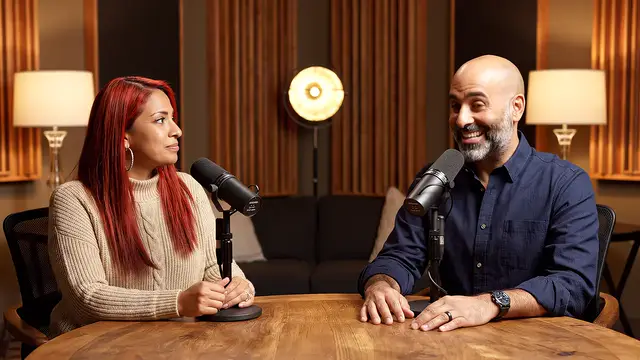 Use caseTranslate a podcastDub video podcasts and interviews: a voice for each speaker, guest consent and where to start.
 Use caseMovie translator for filmmakersDub a film you made or licensed: limits for feature-length files, festival rules, rights and cast consent.
 ProductYouTube video translatorDub your own YouTube videos from the original file, then publish as an audio track or a language channel.
Ways to earn
A second language is not a business by itself. These are the ways creators and companies really use one, with the rules that apply to each.
All ways to earn SectionWays to earn with translated videoTwelve legitimate ways a video earns, the rule behind each, and what a second language changes.
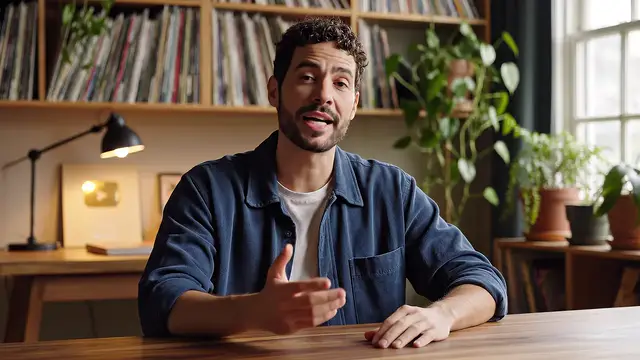 EarningMake money on YouTubeThe main ways a YouTube channel earns, what each requires and why the viewer's country matters.
 EarningMulti-language YouTube channelAudio tracks or a second channel per language: what YouTube says, real cases and a checklist.
 EarningSell dubbing as a serviceSell video dubbing to clients: the offer, native review, contract points and pricing from real cost.
 EarningYouTube automation and faceless channelsWhat YouTube automation means, which faceless channels can monetize, and where dubbing fits.
 EarningCan you monetize dubbed videos?What you may dub and monetize, and where YouTube's reused content and AI label rules draw the line.
Lessons
Practical lessons with a clip at the top and sources at the bottom.
All lessons LessonHow to translate a videoThree ways to translate a video, the steps from file to dubbed MP4 and how to check the result.
 LessonHow to dub a videoSix steps to dub a video with AI: record, prepare, dub, lip-sync, check and publish.LessonYouTube auto dubbingWhat YouTube auto dubbing is and how to turn it off, review it or replace it with your own track.LessonBest language for a YouTube channelPick a first dubbing language from your analytics, ad rates and audience size, then test five videos.
Pay for the length of your original video, per target language. Every option supports all 28 target languages.
A regular place for a new language in your creative routine.
More room for creators and businesses with more to say.
An extra balance for a launch, a series or a one-off project.
One input minute is one minute of your source video, per target language. Upload first to calculate your minutes; buy only if you need more. Downloading the same result uses no extra minutes.
If YouTube’s free automatic dubbing works for your video, use it. DubSync is for when you want more than an automatic track on one YouTube video: a finished MP4 you can post on TikTok, Reels, Facebook, a second channel or your own site; an English voice created from each original speaker; your background audio kept; videos up to 150 minutes and 1 GB; no visible watermark; and optional lip-sync, priced per minute and shown before you start. DubSync doesn’t publish to YouTube for you and doesn’t let you edit the translated script, so watch the MP4 before you publish it.
Each speaker’s voice in the new language is created from their original voice, so it should sound similar, not identical. Clear speech and little background noise give the best result.
No. Ad rates follow where viewers watch, not the language. English also reaches lower-paying markets such as India and the Philippines, and niche, retention and YouTube Partner Program eligibility decide what a channel earns. We show ranges, never forecasts.
An English audio track on the same video keeps the views on one video but needs YouTube’s advanced features. A separate channel is allowed, but YouTube’s policies on reused content and on generic or repetitive content apply: make it your official English channel and avoid mass uploads.
YouTube requires disclosure for realistic altered or synthetic content that could mislead viewers. Its examples exempt cloning your own voice for a voiceover or dub. Cloning someone else’s voice may require disclosure; speaker permission is a separate requirement. Check the rules of each platform before publishing.
No. YouTube doesn’t show ads to viewers in Russia, and Russia- and Belarus-based AdSense accounts were closed in 2024. Dubbing into English doesn’t change where you can be paid.
DubSync uses AI to translate and dub the spoken audio in your video into a selected language. Upload your original file, review the required minutes and confirm before processing. The finished result is a dubbed MP4.
Upload a video file in MP4, MOV or M4V format, up to 1 GB and 150 minutes. You need the original file and permission to use the video and the voices in it.
Yes. Only upload content you have the right to use, with the necessary permission to translate and dub the speakers’ voices. You explicitly confirm your rights and consent before dubbing starts.
Source files are scheduled for deletion after 7 days and exported videos after 30 days, so download your MP4 when it’s ready.
Minutes are based on the duration of your source video, for each target language. A five-minute video dubbed into Spanish uses five input minutes. Dubbing that video into English as well uses another five. Review the calculated requirement before confirming your project.
Upload your video and choose a language to see the minutes required. If your balance is too low, purchase a subscription or Minutes Pack. Dubbing starts only after you review the project and explicitly confirm.
Methodology
Data checked Oct 3, 2026.
Upload it, see the minutes before you pay, then decide.
Dub my video into Slovak